
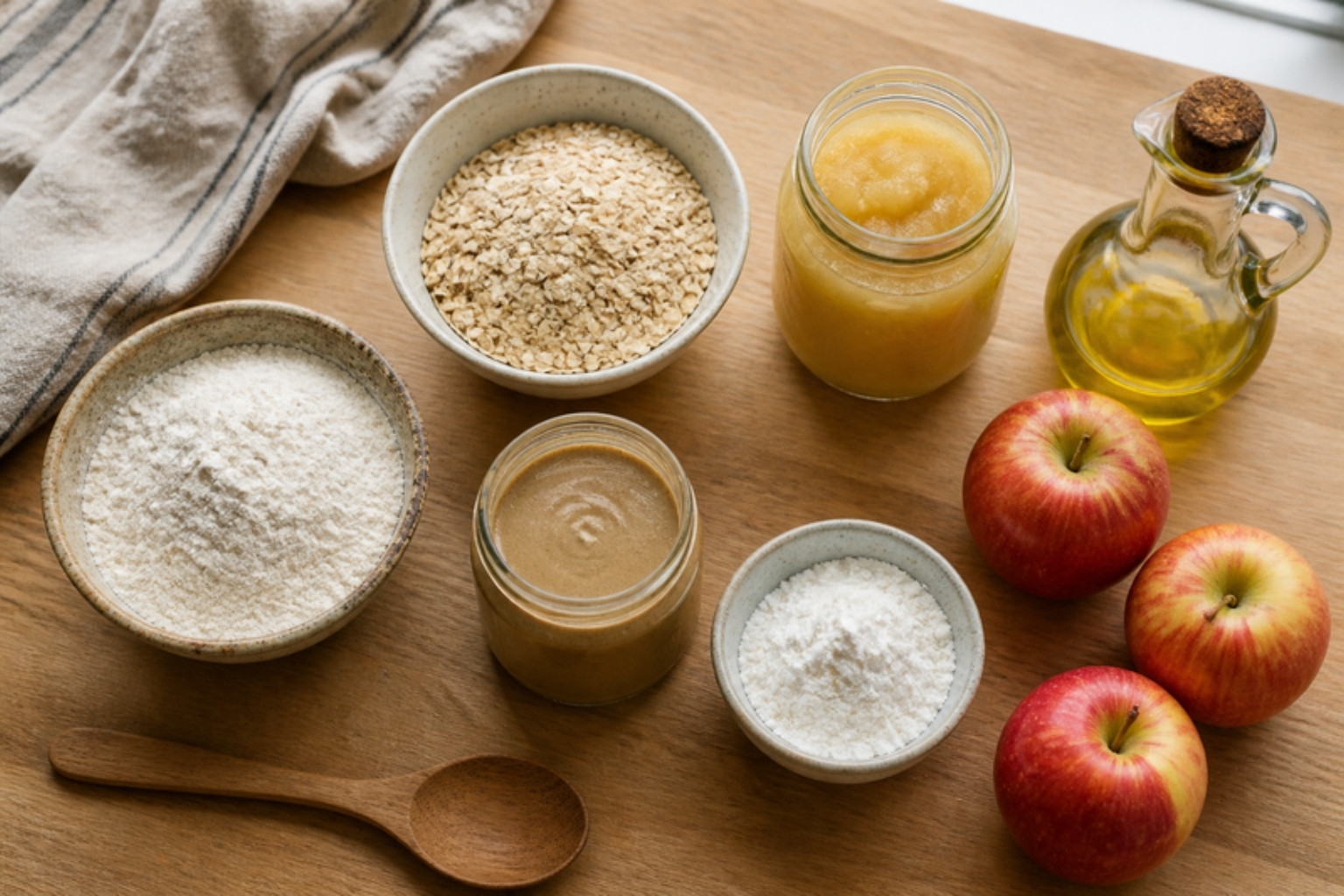
Cooking around several food allergies at once is exhausting. One “safe” recipe turns out to have butter, the next calls for almond flour, and a third needs eggs. This guide covers the most useful places to find recipes for a child with multiple food allergies, three habits that keep multi-allergen cooking safe, and a swap chart for the ingredients you’ll replace most often.
Before anything else: no recipe collection, including ours, can check your child’s specific needs for you. Read every label and follow your allergist’s guidance.
Where can I find safe recipes for a child with multiple allergies?
These five resources do different jobs, so many families use more than one. Features change, so check each site directly.
| Resource | Best for | How it handles several allergens |
|---|---|---|
| Top Nine Free (that’s us) | Everyday comfort food, lunchbox snacks, baking, holiday dishes, and weekly meal plans | Nearly every recipe is made without all nine major allergens, and each one lists exactly what it’s made without at the top. The Recipe Finder filters by several allergens at once. |
| Safe Eats by Kids With Food Allergies | A large library of recipes shared by parents | Browse or search by allergen. Some recipes need a substitution to be free of a given allergen, so read each one. |
| FARE (Food Allergy Research & Education) | Daily management guides and substitution information | More guidance than recipes |
| Allergy Awesomeness | Allergy-friendly comfort food from a mom managing her kids’ food allergies | Recipes note the major allergens they leave out |
| Spokin | Reviews of allergy-friendly packaged foods, brands, and restaurants | Community recommendations from other allergy families; more about products than recipes |
One difference worth noticing is how a site labels allergens. A recipe that “can be made” free of an allergen needs a swap first. Our recipes are written to be free of the listed allergens as written, so the “Made without” line at the top describes the recipe you’ll actually cook.
Three habits that keep multi-allergen cooking safe
1. Check labels, then check them again
Formulas change without notice, and simple foods like oats, chocolate chips, and canned beans can carry allergens. Watch for cross-contact statements such as “may contain” or “made in a facility with,” which mean traces can get in from shared equipment.
- Read every label, even for foods you buy all the time.
- Check again when you open a new package.
- Contact the manufacturer if a label is unclear.
- Keep the package until the dish is finished, so you can double-check.
The FDA’s guide to reading labels for food allergies is a good refresher.
2. Learn a few reliable swaps
Every swap can change which allergens a recipe contains. Soy milk adds soy, nut milks add tree nuts, and many dairy-free spreads contain soy. The chart below shows what each common swap changes.
3. Talk to your child’s care team
When a child avoids several major foods, a pediatric allergist or an allergy-focused registered dietitian can make sure meals still cover growth needs, especially calcium, iron, and healthy fats. Your child’s care team decides what’s safe for your child. We’re a family sharing what works in our own kitchen, not a medical authority. Many families managing food allergies also deal with eczema-prone skin; The Eczema Shelf is a free Sunday newsletter for them, with plain-language routines, ingredient explainers and parent stories.
What can I use instead of eggs, milk, and other allergens?
| Replace | Common swap | Works best in | What to watch |
|---|---|---|---|
| Eggs | 1/4 cup unsweetened applesauce per egg | Muffins, quick breads, cookies, pancakes | Add about 1/2 tsp extra baking powder when the egg was there for lift. |
| Milk | Oat milk or another milk your child can have | Batters, soups, mashed potatoes | Soy milk adds soy and nut milks add tree nuts. Oat milk can pick up wheat from shared equipment. |
| Butter | Light-tasting olive oil, or a dairy-free spread your child can have | Muffins, sautéing, roasting | Many dairy-free spreads contain soy or coconut. Read the full ingredient list. |
| Wheat flour | Rice and oat flours, or a gluten-free blend | Cookies, cakes, quick breads | Gluten-free doesn’t mean free of every allergen. Some blends contain other allergens or are made in shared facilities. |
| Peanut or tree nut butter | Sunflower seed butter | Sandwiches, snack bars | Adds sunflower seed. Check for shared equipment with nuts. |
| Soy sauce | A soy-free seasoning sauce | Stir-fries, marinades | Check what it adds instead; some contain coconut. |
| Sesame | Usually just leave it out | Breads, crackers, dips | Sesame hides in tahini, some breads, and some spice blends. |
| Fish and shellfish | No good swap; leave them out | — | Worcestershire sauce usually contains anchovies (fish), and oyster sauce contains shellfish. |
Where to start on Top Nine Free
- Recipe Finder: pick every allergen you avoid and see recipes made without all of them
- Top 9 Free recipes: made without all nine major allergens
- Nut-free school snacks and lunches: lunchbox ideas and tips for nut-free classrooms
- Baking: cookies, muffins, and treats made without eggs, dairy, or wheat
- Holiday recipes: Thanksgiving, Christmas, and more
- Weekly meal plans: seven days of Top 9 Free meals with a grocery list
Frequently asked questions
How do I know a recipe is really free of my child’s allergens?
Check three things: the recipe’s allergen line, the labels on the exact products you buy, and the manufacturer’s cross-contact statement. A recipe tells you what it calls for. Only the label tells you what’s in the package you bought today.
What does “Made without” mean on a Top Nine Free recipe?
It lists the major allergens the recipe leaves out, as written. Most of our recipes are made without all nine: milk, eggs, peanuts, tree nuts, wheat, soy, fish, shellfish, and sesame. If a recipe uses something many people avoid, like coconut, we say so in the description.
Can I use gluten-free flour blends in allergy-friendly baking?
You can, but gluten-free doesn’t mean free of every allergen. Some blends contain other allergens, and some are made in shared facilities. Check the current ingredient list and cross-contact statement before you bake.
What’s the easiest egg substitute for baking?
For muffins and quick breads, unsweetened applesauce (about 1/4 cup per egg) is the simplest. For cookies and pancakes, a recipe written without eggs from the start usually works better than a swap. Swaps work best in recipes with one or two eggs.
Is there a substitute for fish or shellfish?
Not really. Leave them out, and check sauces and broths, since Worcestershire sauce and oyster sauce are common hidden sources.